







How Often Should You Replace Your Mattress? A NZ Guide
Knowing when to replace your mattress isn't always straightforward. While mattresses are designed to provide years of comfort and support, they don't last forever. Over time, materials can wear down, support can change and a mattress that once felt comfortable may no longer provide the same quality of sleep.
So, how often should you replace your mattress? There isn't one exact answer for everyone, but there are several signs that can help you decide when it's time for a new one.
How Long Does a Mattress Last?
The lifespan of a mattress can vary depending on its construction, materials, quality and how regularly it is used. Some mattresses can provide many years of comfortable use, while others may begin to show signs of wear sooner.
Rather than relying solely on the age of your mattress, it's worth paying attention to how it feels and performs. A mattress that is no longer comfortable or supportive may need replacing even if it hasn't reached the end of its expected lifespan.
Regular use, the type of mattress and the quality of its materials can all influence how long it remains comfortable and supportive.
Signs You May Need to Replace Your Mattress
Your mattress may not suddenly stop working. Instead, you may gradually notice changes in comfort and support. Some common signs that it could be time for a replacement include:
Visible Sagging or Dips
If your mattress has developed noticeable dips or sagging areas, it may no longer be providing consistent support across the sleeping surface. A mattress should provide a relatively even surface for your body rather than allowing you to sink into particular areas.
You Wake Up Feeling Uncomfortable
If you regularly wake up feeling stiff, sore or uncomfortable, your mattress could be contributing to the problem. While there can be many reasons for discomfort, a mattress that no longer provides the right level of support is worth considering.
Your Mattress No Longer Feels Supportive
Over time, the materials inside a mattress can change. If your mattress feels softer, uneven or less supportive than it once did, it may be time to look at your options for a replacement.
You Sleep Better Somewhere Else
Have you ever stayed at a hotel or slept in a guest bedroom and noticed that you felt more comfortable the next morning? If you consistently sleep better on other mattresses, it could be a sign that your current mattress is no longer meeting your needs.
You Can Feel the Springs or Internal Components
If you can feel springs, hard areas or other internal components through the mattress, this can be a clear indication that the mattress has experienced significant wear.
The Mattress Transfers More Movement
If you share your bed with a partner, you may notice changes in how much movement travels across the mattress. Increased movement can affect sleep, particularly if one person regularly wakes when the other moves during the night.
It Simply Isn't Comfortable Anymore
Sometimes the simplest sign is that you no longer enjoy sleeping on your mattress. Your comfort preferences can change over time, and a mattress that suited you several years ago may no longer feel right.
Does the Age of Your Mattress Matter?
Age can be a useful guide when considering whether to replace your mattress, but it shouldn't be the only factor.
A mattress that is several years old may still feel comfortable and supportive, while a newer mattress may need replacing if it has developed significant wear or doesn't suit your sleeping needs.
Instead of replacing your mattress based solely on its age, consider its overall condition, comfort and level of support. If you're noticing several of the signs above, it may be worth exploring a new mattress.
What Can Cause a Mattress to Wear Out Faster?
Several factors can affect how long a mattress remains comfortable and supportive.
How frequently the mattress is used, the materials it is made from and the quality of its construction can all play a role. The bed base underneath the mattress can also be important, as a suitable base helps provide the support the mattress is designed to have.
Following the manufacturer's care instructions can also help you get the most from your mattress. Depending on the mattress design, this may include recommendations about rotation, cleaning or the type of base it should be used with.
How Can You Extend the Life of Your Mattress?
While every mattress will eventually need replacing, there are ways to help maintain it throughout its lifespan.
- Use a suitable mattress protector to help protect the mattress from everyday spills, moisture and general wear.
- Make sure the mattress is supported by a suitable bed base.
- Follow the manufacturer's care and cleaning recommendations.
- Rotate the mattress every 2 weeks for the first 2 months, and every 2months thereafter.
It's important to check the care instructions for your specific mattress.
Should You Replace Your Mattress and Bed Base Together?
Your mattress and bed base work together to provide your overall sleep setup, so it's worth checking the condition of both when replacing your mattress.
If your existing bed base is damaged, uneven or no longer providing appropriate support, replacing the mattress alone may not address the issue. When purchasing a new mattress, check whether it is compatible with your existing base and whether the base provides the support recommended for the mattress.
If you're considering an adjustable bed, it's particularly important to choose a mattress designed to work with an adjustable base.
What Should You Consider When Choosing a New Mattress?
If you've decided it's time for a new mattress, the next step is finding one that suits your individual needs.
Read our Mazon mattress guide: Tips for Choosing the Perfect Bed for You
- Comfort and Firmness
- Your Sleeping Position
- Sleeping With a Partner
- Mattress Construction
- Compatibility With Your Bed Base
Explore Mazon Mattresses
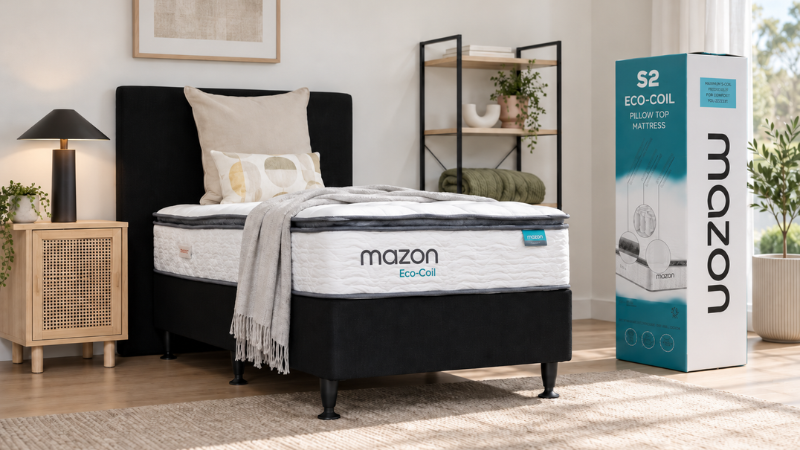
At Mazon, there are a range of mattress options designed to provide different levels of comfort and support. The range includes options such as Align, Woola, Hybrid and Eco-Coil S2 mattresses, giving you the opportunity to find a mattress suited to your sleeping preferences.
If you're unsure which mattress is right for you, visiting a Mazon showroom or contacting a stockist can help you explore the available options and find the right fit for your needs.
Frequently Asked Questions
How often should you replace a mattress?
There is no exact replacement schedule for every mattress. The lifespan depends on factors such as the mattress construction, materials, usage and care. Signs such as sagging, reduced support and changes in comfort can indicate that it's time for a replacement.
How do I know if my mattress needs replacing?
Look for signs such as visible sagging, uneven areas, reduced support, uncomfortable sleep or noticeable wear. If your mattress no longer feels comfortable or supportive, it may be time to consider a new one.
Can a mattress last 10 years?
Some mattresses can provide comfortable use for many years, however, for most mattresses, we would recommend you replaced your mattress before it reached 10 years. A mattress lifespan varies between different mattress types and individual circumstances. The condition and performance of the mattress are more important than relying on a specific number of years.
Does a mattress become less supportive over time?
This can depends on the quality of the materials. Mattress materials can change with regular use, which may affect the level of support and comfort they provide. Sagging, uneven areas or a noticeable change in how the mattress feels can be signs of wear.
Should I replace my bed base when I buy a new mattress?
Not necessarily. If your existing bed base is in good condition and suitable for the new mattress, it may not need replacing. However, it's important to check that the base provides the appropriate support and is compatible with your new mattress.
Can I make my mattress last longer?
Using a suitable base, following the manufacturer's care instructions and using a mattress protector can all help you look after your mattress. Always follow the specific care recommendations provided with your mattress.