







- Hide-a-bed
- Mattresses
- Bed Bases
- Headboards
- Bedding
- Pillows
- Fabrics
- Lighting
- Hot Sleepers
Why More NZ Homes Are Designing Guest Rooms That Do More Than One Job
Modern guest rooms are no longer designed to sit untouched for most of the year. Across New Zealand, spare bedrooms are increasingly expected to work harder, serving as home offices, hobby rooms, study areas, or flexible family spaces while still being ready to accommodate overnight guests when needed.
As homes become more carefully planned and every square metre matters more, multi-purpose bedroom design has become one of the smartest ways to improve everyday usability without sacrificing comfort. The goal is no longer simply to have a spare bed available, but to create a room that feels intentional every day, whether someone is staying overnight or not.
For many homeowners, this has led to growing interest in furniture that allows rooms to change function quickly and elegantly, particularly modern Hide-a-Beds and wall bed systems designed specifically for contemporary New Zealand homes.
Why Dedicated Guest Rooms Are Changing in Modern New Zealand Homes
Traditional spare rooms often remained underused for much of the year, occupied mainly by a permanent bed that limited how the room could function. Today, that approach is changing.
Many New Zealand households now need spare rooms to support day-to-day living. A guest room may also need to operate as:
- a work-from-home office
- a craft or hobby room
- a study for teenagers
- a quiet reading room
- extra family space for changing household needs
This shift reflects how homes are adapting to modern routines. Instead of dedicating an entire room to occasional overnight stays, homeowners are planning layouts that support daily living first, while still allowing the room to convert comfortably when visitors arrive.
Furniture now plays a major role in this flexibility, especially when selecting sleep solutions that do not permanently dominate floor space.
The Rise of Space-Saving Sleep Solutions in New Zealand
One of the biggest changes in guest room design is the rise of space-saving bed systems.
Modern wall beds, often called Murphy beds or Hide-a-Beds, allow homeowners to reclaim floor space during the day without compromising sleeping comfort at night. These systems fold neatly against the wall, transforming the room back into usable living space within seconds.
Mazon’s Hide-a-Bed collection has become increasingly popular for smaller homes, townhouses, apartments, and spare rooms where flexibility matters most. Their systems are designed to hold full mattresses while maintaining proper support, making them practical not only for occasional guests but also for regular sleeping where needed.
A well-designed Hide-a-Bed can save a significant amount of floor area during the day, allowing the room to function more naturally without the visual weight of a permanently open bed.
This is especially valuable in homes where one room may need to shift between office use and guest accommodation throughout the week.
How to Make a Room Work for Guests Without Feeling Temporary
A successful guest room should never feel like an afterthought.
The most effective multi-use rooms rely on furniture and layout choices that feel permanent, even when the room serves different purposes.
A few practical design decisions help achieve this:
- Choose furniture that works whether the bed is open or closed
- Add built-in or concealed storage for bedding and guest essentials
- Use lighting that supports both daytime tasks and evening comfort
- Keep floor layouts uncluttered so the room feels balanced
Permanent elements such as shelving, side storage, and soft furnishings help the room feel complete rather than improvised.
This is where systems like the Mazon Hide-A-Bed Metro Ice work particularly well, because when folded away, the cabinetry presents as a clean furniture feature rather than obvious hidden functionality.
Choosing the Right Mattress for Occasional and Everyday Use
Even in a secondary bedroom, mattress comfort still matters.
Guest sleep quality has a strong impact on how welcoming a room feels, and poor mattress choices quickly make occasional accommodation uncomfortable.
A medium-support mattress often suits the widest range of sleepers because it balances support with comfort for different body types and sleeping preferences.
Mattress depth also matters when paired with wall bed systems. Mazon recommends mattresses up to 300mm deep for many of its Hide-a-Bed models to ensure proper closure and safe operation.
For many homeowners, pairing a Hideabed /wall-bed with a mattress from the Mazon Eco-Coil mattress range creates a practical combination that supports both comfort and compatibility.
A guest room may not be used every night, but when it is needed, comfort should feel equal to any primary bedroom.
Why Multi-Use Rooms Often Work Better Long-Term
One of the biggest advantages of flexible room design is future-proofing.
Household needs rarely stay fixed. A room that works as an office today may later become:
- a teenager’s bedroom
- accommodation for returning family members
- space for visiting relatives
- a hobby room
- a study or quiet retreat
By avoiding fixed-purpose design, homeowners create rooms that continue to adapt over many years without requiring major changes.
A flexible room often delivers greater long-term value than a traditional spare bedroom because it remains useful every day.
Design Features That Keep a Guest Room Looking Premium
Even highly practical rooms can still feel refined.
To maintain a premium appearance, many designers focus on soft visual elements that add warmth while keeping the room adaptable:
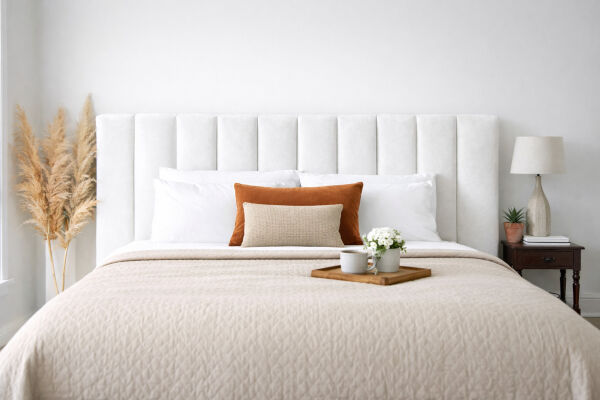
- Upholstered headboards add softness and visual comfort
- Neutral colours keep styling flexible
- Layered bedding improves texture and comfort
- Hidden functionality prevents the room feeling overly mechanical
When paired with smart storage and simple furniture lines, these details help a guest room feel intentional rather than temporary.
A premium bed base or upholstered feature from the wider Mazon bed base range can also help create a finished look where permanent bedding remains part of the room design.
Frequently Asked Questions
Are Hide-a-Beds comfortable enough for regular use?
Mazon Hide-a-Beds designed with quality mattress systems can provide excellent comfort for both occasional and regular sleeping, especially when paired with supportive mattress options.
What mattress works best with a Hide-a-bed or wall bed?
A medium-support mattress with suitable depth is often recommended, as it balances comfort while fitting correctly within wall bed mechanisms. Mazon recommends mattresses up to 300mm deep for many of its Hide-a-Bed models to ensure proper closure and safe operation.
How much space can a wall bed save in a guest room?
Wall beds can free up a significant amount of floor space during the day - up to 80% floor space! Allowing the room to function as an office, study, or living space.
Can a guest room also work as a home office?
Yes, combining a desk, storage, and a fold-away bed is one of the most practical ways to create a room that serves both everyday and occasional needs.
Are space-saving beds suitable for everyday sleeping?
High-quality Hideabed (wall bed) systems designed for everyday use can provide reliable support and comfort when installed with the correct mattress.